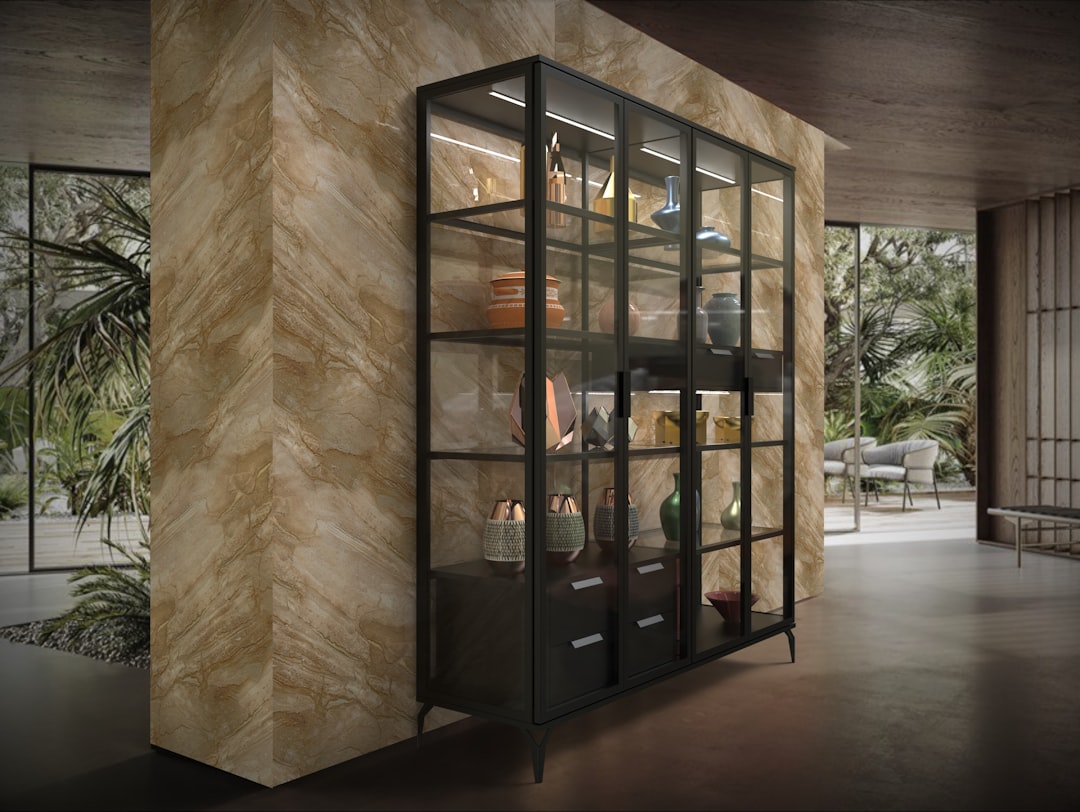
The display cabinet collecting dust in your HDB corridor—that’s what happens when you buy for aesthetics alone. A display cabinet sits in the awkward middle ground between bookshelf and storage cabinet — closed glass-front protection for the items you want visible but not collecting dust. Megafurniture's Display Cabinet range covers glass-front, curio, wall-mounted, freestanding, and smart-cabinet variants in solid wood, MDF, and metal-framed constructions. Average pricing for glass-front variants sits around $271, with LED-lit and motorised-shelf models commanding the higher tier.. Singapore’s humidity warps MDF shelves within months if they’re not climate-controlled, leaving heirloom china lopsided behind glass. Go for rubberwood or powder-coated steel frames in unairconditioned spaces—they’ll survive monsoon seasons without developing that musty Kallang warehouse smell.
Standard BTO living rooms fit cabinets up to 200cm tall without crowding the ceiling cove lighting, but anything beyond 120cm width starts eating into walkways near the main door. Depth matters less—most collectors arrange items in a single row anyway. Glass shelves reflect light better in our narrow spaces; opt for 8mm tempered panels if you’re displaying heavy Balinese stone carvings instead of Peranakan porcelain.
Older landed properties can handle deeper cabinets—some even repurpose vintage apothecary units from Chinatown shophouses. But for 99-year leasehold flats, stick to modular systems that’ll relocate easily during the next en-bloc frenzy. Open-backed designs work against feature walls; solid backs prevent your Lladró figurines from becoming ghostly silhouettes when backlit by balcony LEDs.
Megafurniture’s display cabinets come with adjustable shelving—crucial when your collection shifts from Star Wars Lego to Japanese whisky tumblers. Their Tampines showroom clusters units by material rather than style, so you can compare how teak grain differs under track lighting versus recessed spots. Just remember: no cabinet survives grandchildren unless it’s bolted to the wall.
In a 12 sqm HDB room, arranging collectibles isn’t just about fitting everything in — it’s about creating visual harmony without overwhelming the space. Start by staggering heights; taller pieces draw the eye upward, while shorter items anchor the display. Acrylic risers are a lifesaver for figurines, adding depth without bulk. They’re lightweight, easy to clean, and let you maximise vertical space without crowding the shelves.
Clearing 30cm around display niches isn’t just practical — it’s essential for maintenance, especially in landed properties where dust accumulates faster. This buffer zone ensures you can easily access and clean each piece without risking damage. For glass-fronted cabinets, consider arranging items in odd-numbered groups; three or five pieces per shelf often feels more balanced than even pairs.
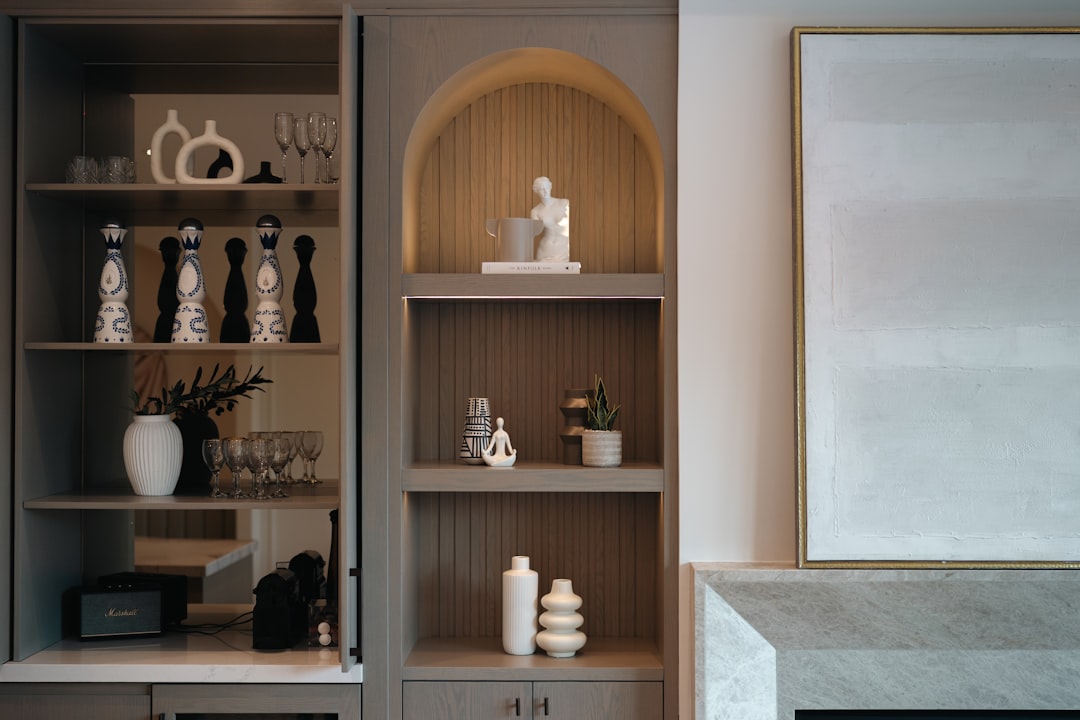
Lighting plays a quiet but crucial role. LED strips or puck lights inside the cabinet highlight your favourites without casting harsh shadows. In smaller spaces, avoid overly ornate frames or bulky bases — they’ll make the area feel cramped. Instead, opt for sleek, minimalist designs that let the collectibles shine.
One common mistake is overloading shelves. Leave some breathing room between items; it’s better to rotate pieces seasonally than to cram everything in at once. And if you’re displaying delicate china or crystal, ensure the cabinet has sturdy, adjustable shelves — uneven weight distribution can lead to disaster.
For those with eclectic collections, grouping by theme or colour can create a cohesive look. A row of blue-and-white porcelain next to a cluster of art glass, for example, ties the display together visually.
Singapore’s average humidity hovers around 80%, making material choice critical for display cabinets. Wood cabinets, while elegant, can warp or swell over time in such conditions; glass alternatives, though less traditional, resist moisture better. For homeowners storing delicate china or heirlooms, this durability often outweighs aesthetic preferences. Proper ventilation around the cabinet helps, but it’s not always practical in smaller spaces like HDB living rooms. That’s why many opt for tempered glass units with metal frames — they’re stable, low-maintenance, and don’t trap moisture.
Silica gel packets are a simple yet effective solution for protecting textiles and collectibles in display cabinets. Placing them discreetly on shelves absorbs excess moisture, preventing mould or mildew on fabrics like heirloom linens or vintage clothing. For larger cabinets, consider using multiple packets or even rechargeable silica gel canisters. It’s a small investment that can extend the lifespan of delicate items significantly. Just remember to replace or recharge the gel regularly, especially during Singapore’s wetter months.
West-facing condos in neighbourhoods like Clementi or Bedok often face intense afternoon sun, which can fade artworks and textiles over time. UV-filtering glass in display cabinets helps mitigate this risk, preserving the vibrancy of collectibles like art glass or family photos. While it’s pricier than standard glass, the long-term protection it offers makes it a worthwhile investment. For added peace of mind, position the cabinet away from direct sunlight or use sheer curtains to diffuse the rays.
When selecting materials for display cabinets, balance aesthetics with practicality. Solid wood offers a classic look but requires regular maintenance to combat humidity; engineered wood or laminates are more resistant but may lack the same charm. Metal and glass combinations, particularly in modern designs, are increasingly popular for their durability and sleek appearance. For landed properties with formal living rooms, a mix of materials can create a cohesive yet functional display solution.
In Singapore’s compact homes, display cabinets often double as room dividers or storage solutions. For 4-room BTO flats, a cabinet around 150cm tall and 80cm wide fits neatly without overwhelming the space. Open-fronted designs work well in smaller rooms, creating a sense of openness while showcasing collectibles. For landed properties, larger units up to 200cm tall can anchor a formal living room, offering ample space for china sets or figurines. Always measure the intended area before buying — a too-large cabinet can dominate the room, while a too-small one looks out of place.
A display cabinet crammed with collectibles looks more like a storage unit than a showcase — which defeats the purpose. Many buyers fill shelves to 90% capacity, leaving no breathing room between items; experts recommend keeping it around 70% for visual balance. In landed homes with formal living rooms, this mistake is especially common — owners often feel compelled to fill the space, only to end up with a cluttered, overwhelming display.
Ignoring electrical outlets during cabinet selection is a surprisingly common oversight. Built-in lighting transforms a display, especially for china or crystal collections, but buyers often forget to check placement until it’s too late. In many landed homes, outlets are scarce or awkwardly positioned — planning ahead ensures the cabinet doesn’t end up in a dim corner.
Megafurniture’s collection includes options designed with these pitfalls in mind — from matte finishes to tempered glass doors and integrated lighting solutions. Still, the key is to think beyond aesthetics and consider how the cabinet will function in your specific space.
Glossy finishes are another frequent misstep, particularly in homes with pets. While they reflect light beautifully in showrooms, gloss surfaces in landed properties — where dust and dog hair are inevitable — quickly lose their appeal. Matte or satin finishes, though less striking at first glance, prove far more practical for everyday living.
For those with heirlooms or fragile collectibles, glass doors are essential — but not all glass is created equal. Tempered glass, though pricier, offers better durability and safety, especially in homes with children or pets. Open-fronted units might look sleek, but they’re rarely the best choice for long-term protection.
Walking into a showroom lets you test cabinet doors before committing — something online photos won’t tell you. At Joo Seng, you’ll find display cabinets with mechanisms ranging from soft-close hinges to sliding panels, each behaving differently under repeated use. Try opening and closing them a dozen times; that’s how you’ll spot the ones that’ll last beyond the first year in your HDB living room. Natural lighting in Singapore varies widely, from the harsh midday sun in landed properties to the softer glow in 4-room BTO flats. The showroom’s lighting setup mimics these conditions, so you can see how real wood grains and finishes react under different exposures. It’s a small detail, but it matters when you’re showcasing heirloom china or art glass that deserves the right backdrop. For homeowners planning to mount a display cabinet on a BTO wall, the staff can advise on load limits and anchoring techniques. They’ll walk you through the specifics — like whether your partition wall can handle a 200cm unit or if you’re better off with a freestanding piece. It’s practical guidance you won’t get from a product description alone. If you’re unsure about dimensions, seeing cabinets in person helps. A 120cm width might look manageable online, but in a 12 sqm HDB bedroom, it could dominate the space. The showroom lets you visualise how pieces fit into real-life settings, whether you’re furnishing a formal living room or creating a dedicated display corner for your figurines.
Browse the options, and you’ll notice subtle details — like how the glass reflects light or how the shelves align with your tallest collectibles. These are the moments that make a showroom visit worthwhile.
Delivery fees for display cabinets in walkup apartments often come with a staircase premium — typically $50 to $100 extra per floor, depending on the item’s weight and dimensions. It’s a cost many homeowners in older HDB blocks or shophouse conversions don’t anticipate until the quote arrives. For cabinets wider than 100cm, clearance becomes a key consideration; delivery teams usually require 5cm of extra space on either side to navigate narrow corridors and stairwells without damage.
Weekday deliveries tend to be cheaper across Singapore, with costs ranging from $80 to $150 for most postal districts. Weekend slots, especially in central areas like Bukit Timah or Orchard, can push fees up by 30% — a premium worth paying if you’re juggling work schedules. In neighbourhoods like Bedok or Tampines, where landed properties are more common, assembly teams often note that homeowners prefer Saturday mornings to avoid weekday traffic delays.
Assembly itself is straightforward for modern display units, taking around 90 minutes for most models. The real challenge is positioning; a 200cm-tall cabinet in a 4-room BTO living room often requires removing ceiling lights or adjusting aircon vents. It’s a detail that’s easy to overlook until the delivery team arrives and points it out — and one that’s worth planning for in advance.
HDB lifts typically accommodate display cabinets up to 180cm tall and 90cm wide — but measure your lift’s diagonal clearance first, especially in older estates like Toa Payoh or Queenstown. Vintage Peranakan porcelain collectors should opt for UV-filtering glass doors and humidity-controlled interiors; teak or rosewood cabinets with adjustable shelving prevent ceramic warping over time.
Childproofing glass doors isn’t just about latches. Tempered glass (3–5mm thick) resists shattering, while magnetic locks blend better with classic cabinet designs than bulky plastic clips. For LED lighting, expect 3–5W per strip; running six hours daily adds around $8 to monthly utilities — warm white 2700K bulbs show gold-leaf details best.
Open shelving dominates modern display units, but dust accumulates twice as fast in Singapore’s humid air. Glass-fronted cabinets need weekly wiping unless you’ve got a helper; smoked glass hides fingerprints better than clear.
The real challenge isn’t choosing a cabinet — it’s resisting the urge to cram every shelf. Leave 30% negative space between items, or that prized Blue Willow collection just becomes visual noise.
Organize collectibles into groups based on their theme, such as era, color, or material. This creates a cohesive narrative and enhances visual storytelling. It also helps viewers appreciate the collection as a whole.
Arrange items symmetrically to create a visually pleasing display. Balance larger pieces with smaller ones to avoid overcrowding or empty spaces. This approach ensures the cabinet looks harmonious.
Place taller items at the back and shorter ones in front to create depth. Use risers or stands to elevate smaller collectibles for better visibility. This adds dimension and prevents a flat appearance.
Choose one or two standout pieces to serve as focal points. Position them centrally or at eye level to draw attention. Surrounding items should complement these highlights without overshadowing them.
Pre-war shophouse doorways often narrow to 60cm at odd angles—measure twice where the cabinet must pivot. Humidity warps solid wood frames within months if the warranty excludes monsoon swelling; check for "tropical hardwood" or "acacia" stamps rather than vague "solid wood" claims.
Bring fabric swatches to Megafurniture’s Tampines showroom under natural light—what reads as cream in LED-lit malls often clashes with warm HDB corridor lighting. Their staff keep Pantone books for cross-referencing laminate finishes against upholstery.
Display cabinets should clear ceiling height by at least 15cm in landed properties, where cornices dip unexpectedly. For HDBs, verify the unit’s depth won’t block circuit breaker access—many 1980s flats have electrical panels awkwardly placed behind where cabinets naturally anchor.
Glass shelves thicker than 8mm tend to vibrate when MRT trains pass beneath older estates like Eunos or Aljunied. Test stability by tapping a coin against showroom samples; the duller the ring, the better it absorbs shocks.
Wipe down one corner of the sample finish with a wet tissue. If colour transfers, expect constant fingerprint marks on dark lacquers—especially problematic for units placed opposite kitchen openings in open-concept flats.